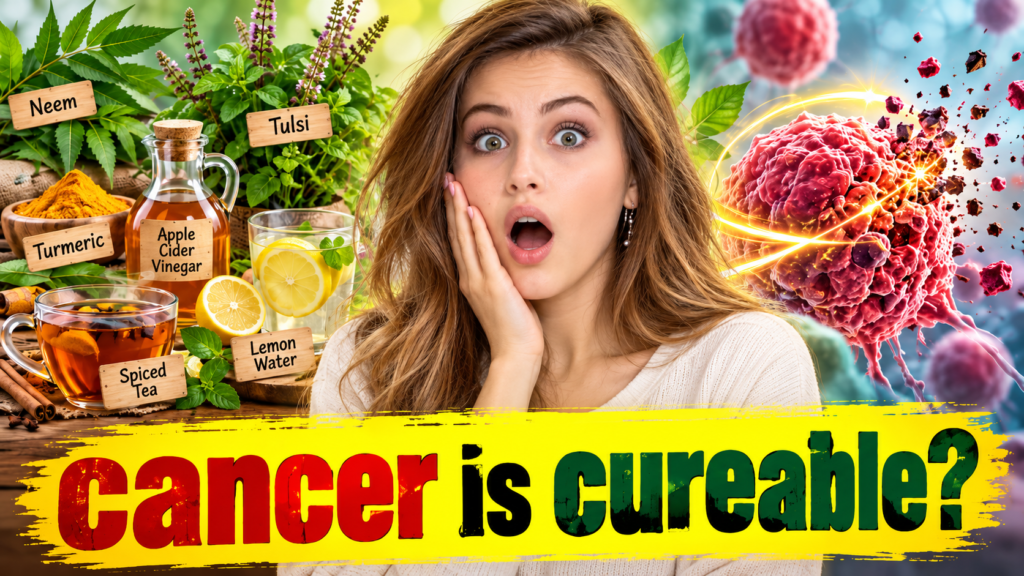
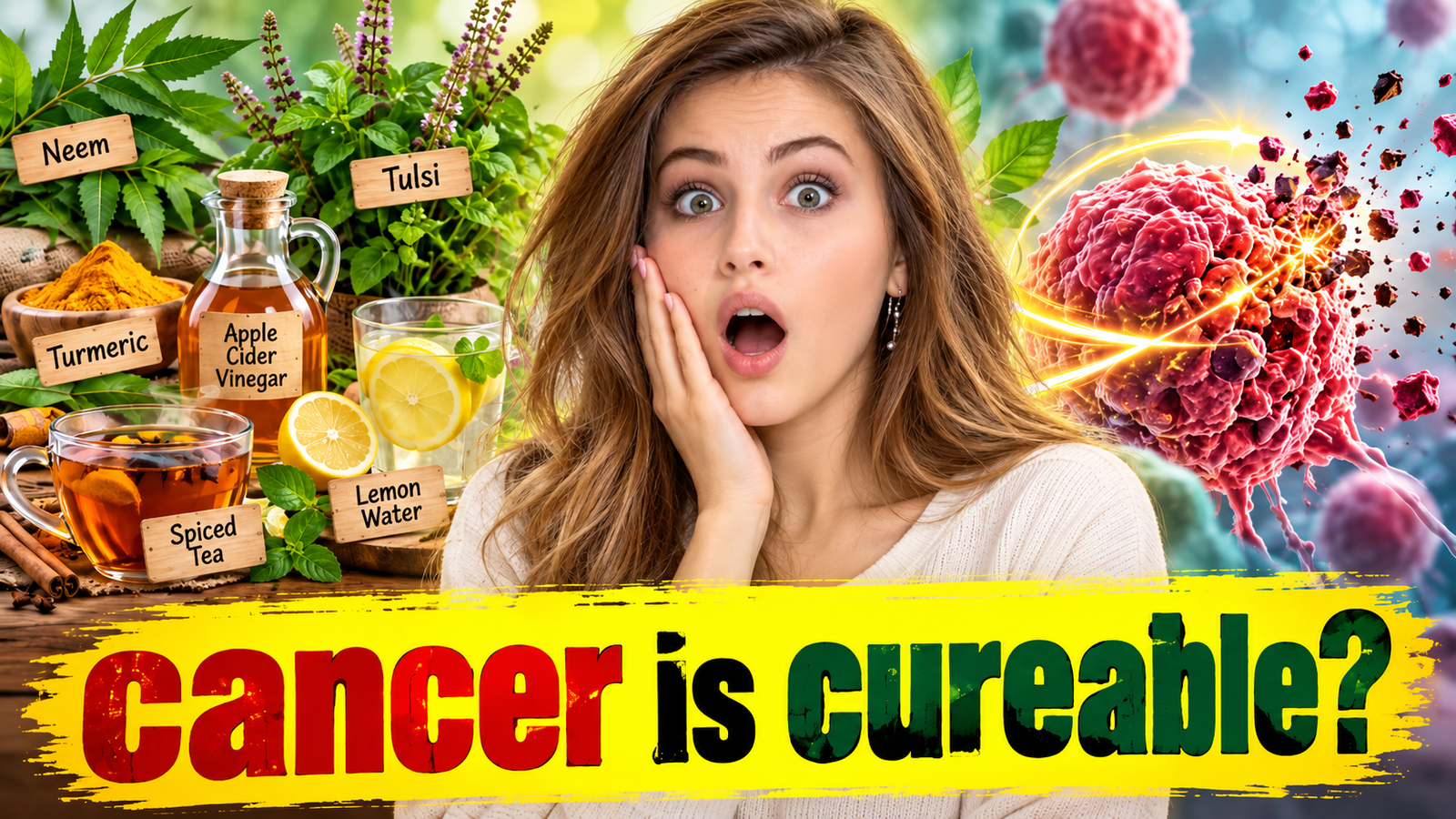
Ist Krebs heilbar
Navjot Kaur Sidhu’s Stage IV Cancer Journey: What Was Claimed, What Treatment She Received, and What the Evidence Says
Navjot Singh Sidhu’s public account of his wife’s cancer journey attracted enormous attention after he discussed neem leaves, turmeric, tulsi, apple cider vinegar, lemon water, fasting and a spice-based morning drink. This chapter separates the personal story from the medical evidence.
In November 2024, former Indian cricketer, television personality and politician Navjot Singh Sidhu publicly announced that his wife, Dr Navjot Kaur Sidhu, had been declared clinically cancer-free after treatment for advanced breast cancer.
According to Sidhu’s public account, his wife had faced Stage IV disease and had at one point been given only a very small chance of survival. News reports quoted him as saying that the figure communicated to them was approximately 3%.
Sidhu also spoke extensively about a disciplined food and lifestyle routine involving lemon water, raw turmeric, apple cider vinegar, neem leaves, tulsi, vegetables, fruits, nuts, early meals and a spice-based morning drink.
The story quickly went viral because many social-media posts shortened a complicated cancer journey into a much simpler message: “These foods cured Stage IV cancer.”
That conclusion is not supported by the available medical evidence.
1. The Story Navjot Singh Sidhu Shared
Sidhu publicly described his wife’s illness as an extremely difficult cancer journey. He said she had Stage IV cancer and that doctors had communicated a very low expected chance of survival.
In November 2024, he announced that she had subsequently been declared clinically cancer-free.
“Clinically cancer-free” means that current examinations and tests do not show detectable evidence of the cancer. It does not mean that medicine can guarantee that cancer will never return.
Sidhu linked his wife’s recovery with an extremely disciplined routine involving conventional treatment, dietary changes, intermittent fasting and several foods and herbs.
2. What Is Verified — and What Should Not Be Repeated as Fact?
Viral versions of the story sometimes add further dramatic details. For a responsible article, these need to be separated from what reliable reporting actually documents.
Multiple mainstream Indian news organisations reported Sidhu’s statement that doctors had at one point described her survival chance as approximately 3%.
Reports describe surgery, chemotherapy, hormonal therapy and targeted therapy as part of her medical care.
This stronger wording is common in viral retellings but is not sufficiently established by the reliable sources used for this article and should not be published as a fact.
Reliable reporting reviewed for this article does not establish that narrative. It is therefore deliberately omitted rather than amplified.
3. The Medical Treatment Is a Crucial Part of the Story
After controversy developed around the diet claims, Sidhu clarified that his wife’s cancer care took place under medical supervision and described the dietary approach as a supportive or cooperative process alongside treatment.
Reporting on the detailed plan stated that her cancer journey involved:
This matters because if someone receives multiple proven anti-cancer therapies and also changes their diet, one cannot scientifically conclude from the final outcome that the diet caused the cancer to disappear.
Establishing causation requires controlled clinical evidence, not a single personal experience.
4. What Did Sidhu Say His Wife Consumed?
According to Sidhu’s public description, the routine included several traditional foods, herbs and spices.
The most widely reported items included:
Neem Leaves
Sidhu said neem leaves formed part of his wife’s routine. Neem has a long history in traditional medicine and has been investigated in laboratory research.
Laboratory findings do not establish that eating neem leaves treats or prevents cancer in humans.
No proven human cancer cureTulsi / Holy Basil
Holy basil (Ocimum tenuiflorum) is widely used in South Asian food traditions and traditional systems of medicine.
Traditional use is not the same as clinical proof that tulsi prevents or cures cancer.
Cancer-prevention claim not establishedRaw Turmeric
Turmeric contains curcumin and related compounds. Laboratory and early clinical research has investigated curcumin extensively.
Cancer Research UK states that there is currently no clear evidence in humans that turmeric or curcumin can prevent or treat cancer.
Human evidence insufficientApple Cider Vinegar
Apple cider vinegar is fermented apple vinegar containing acetic acid and is commonly used as a food ingredient.
It should not be presented as a cancer treatment, tumour-fighting product or cancer-prevention remedy.
Not a cancer treatmentLemon Water
Lemon water contributes fluid and small amounts of nutrients from lemon depending on how it is prepared.
There is no evidence that lemon water alone destroys, starves or prevents cancer.
Hydration ≠ cancer therapySpiced Morning Tea
Sidhu described a morning drink containing cinnamon, cloves, cardamom and jaggery.
These are ordinary culinary ingredients. Their inclusion in one person’s routine does not demonstrate that the mixture can treat or prevent cancer.
Culinary food, not cancer medicine5. What Does Current Evidence Say About These Ingredients?
| Ingredient | What research exists? | Can it currently be claimed to cure or prevent cancer? |
|---|---|---|
| Neem | Laboratory and animal research has examined extracts from neem. Memorial Sloan Kettering notes that some laboratory studies show anti-cancer activity, but human data are lacking. | No. No human clinical evidence establishes neem as an effective cancer treatment. |
| Tulsi / Holy Basil | The plant has a long history of traditional use and is studied for multiple biological compounds. | No. Traditional use is not sufficient evidence of cancer prevention or cure. |
| Turmeric / Curcumin | Curcumin has shown biological effects in laboratory research, and small human trials have been conducted. | No. Cancer Research UK states that current human evidence does not establish turmeric or curcumin as a cancer treatment or preventive therapy. |
| Apple Cider Vinegar | ACV is researched mainly in relation to metabolic and dietary questions rather than established oncology treatment. | No. It should not be described as killing cancer cells in the human body or preventing cancer. |
| Lemon Water | Lemon contributes flavour, fluid and food-derived nutrients. | No. There is no clinical evidence that lemon water treats or prevents cancer. |
| Cinnamon, Cloves & Cardamom | These spices contain numerous plant compounds and are widely researched in laboratory and nutritional science. | No. Laboratory activity cannot be converted into a human cancer-prevention or cure claim. |
6. What About Intermittent Fasting?
Sidhu also described a restricted eating window, with an early evening meal and the next meal occurring the following morning.
Fasting is an active area of cancer research, but this is very different from saying that fasting treats cancer.
Cancer Research UK notes that some small studies have investigated short-term fasting around chemotherapy, but the available human evidence is not sufficient for routine recommendations.
Importantly, cancer patients can be at risk of weight loss, inadequate protein intake and malnutrition. Some people need additional calories and protein during treatment rather than dietary restriction.
7. What Did Tata Memorial Hospital Oncologists Say?
Sidhu’s statements prompted an unusually strong response from cancer specialists.
A statement associated with 262 present and former oncologists from Tata Memorial Hospital warned that suggestions that turmeric, neem or dietary restriction had cured the cancer were not supported by high-quality evidence.
The specialists emphasised that Navjot Kaur Sidhu had received evidence-based cancer treatment.
Their core message was not that foods such as turmeric or vegetables are inherently bad. The concern was the leap from “this was part of her lifestyle” to “this cured her cancer.”
This is an example of confusing association with causation.
This describes the events without claiming that an unproven dietary component produced the medical outcome.
8. Why a Recovery Story Does Not Prove a Treatment
Personal recovery stories are emotionally powerful, but medicine must answer a different question:
Would patients receiving the herbal intervention consistently do better than comparable patients who did not receive it?
Answering that question requires properly designed clinical trials.
One individual may simultaneously receive surgery, chemotherapy, targeted drugs, hormonal therapy, nutritional changes, exercise, emotional support and other interventions.
If that person later becomes cancer-free, it is scientifically impossible to assign the result to one cup of tea, one herb or one dietary ingredient simply because it was consumed at the same time.
This is why patient testimonials — including successful ones — can generate research questions but cannot by themselves prove that a treatment works.
9. Can These Herbs Be Recommended to Prevent Cancer?
They should not be marketed that way.
There is currently no reliable human evidence that a daily routine of neem, tulsi, raw turmeric, apple cider vinegar, lemon water or spiced tea prevents cancer.
Cancer Research UK specifically warns that no single “superfood” or ingredient can prevent cancer.
Risk can instead be influenced by the overall lifestyle and by established preventive measures.
10. Does This Mean Turmeric, Tulsi or Spices Have No Place in a Healthy Diet?
No.
A food does not have to cure disease to be worth eating.
Turmeric, herbs, lemon, cinnamon, cloves, cardamom, vegetables, nuts and other plant foods can all be included in a varied diet according to personal preferences and tolerability.
The important distinction is between:
This is a factual description.
This is a disease-prevention claim not established by current clinical evidence.
11. What About Food Supplements?
Food supplements can be appropriate where a person has a specific nutritional requirement, inadequate intake or another recognised reason for supplementation.
They should not be sold as cancer-prevention or cancer-treatment products.
The same principle applies to vitamins, minerals, CoQ10, astaxanthin, probiotics, botanical extracts, gummies and other supplement categories.
People receiving cancer treatment should tell their medical team about all supplements and herbal products they use.
Herbs and supplements can sometimes interact with medicines, influence bleeding risk, affect metabolism of drugs or create other safety concerns.
12. Why an EU Supplement Website Must Be Especially Careful
European food law does not permit ordinary foods or food supplements to be advertised as products that prevent, treat or cure human disease.
Regulation (EU) No 1169/2011 requires food information to be accurate and non-misleading and prohibits attributing disease- prevention, treatment or cure properties to foods.
Regulation (EC) No 1924/2006 separately governs nutrition and health claims.
Therefore, even if a celebrity or customer personally states that a product cured them, reproducing that testimonial on a commercial supplement website can still create a serious compliance problem.
| High-risk wording | Claim-safe alternative |
|---|---|
| “Neem cures cancer.” | “Neem has a history of traditional use and has been investigated in laboratory research; human clinical evidence does not establish it as a cancer treatment.” |
| “Turmeric prevents cancer.” | “Turmeric is a culinary spice containing curcumin and related plant compounds.” |
| “Apple cider vinegar kills cancer cells.” | “Apple cider vinegar is a fermented food ingredient containing acetic acid.” |
| “Sidhu proved herbs can cure Stage IV cancer.” | “Sidhu publicly credited diet and lifestyle as part of his wife’s recovery journey, while she also underwent conventional evidence-based cancer treatment.” |
| “Science has not proven it, but we have proved it in India.” | “Individual experiences can generate research questions but cannot establish clinical effectiveness without appropriate controlled studies.” |
13. Frequently Asked Questions
Did Navjot Kaur Sidhu have Stage IV cancer?
Was she declared cancer-free?
Did herbs alone cure her cancer?
Did Sidhu say she consumed neem and turmeric?
Is turmeric proven to cure cancer?
Is neem proven to cure cancer?
Can these herbs prevent cancer?
Should cancer patients fast?
Can herbal products interfere with cancer treatment?
Does one successful patient prove a therapy works?
14. Conclusion: An Inspiring Recovery Should Not Become Medical Misinformation
Navjot Kaur Sidhu’s recovery is an encouraging personal story. Sidhu’s public account also highlights the role that discipline, family support, diet and lifestyle can play in how people cope with a demanding period of treatment.
But the evidence does not allow us to say that neem leaves, tulsi, turmeric, apple cider vinegar, lemon water or spiced tea cured her cancer.
Her medical journey also included surgery, chemotherapy, hormonal therapy and targeted therapy.
That distinction matters because patients with cancer can be harmed if they delay or reject effective treatment in favour of an unproven alternative.
Foods and herbs can still form part of a varied diet, and many of their plant compounds remain interesting subjects for scientific research.
Future research may answer questions that remain open today. Until then, a responsible health website should clearly separate promising laboratory research, personal experience and clinically proven treatment.
References & Further Reading
-
Times of India.
“My wife is clinically cancer free today, says Navjot Singh
Sidhu; shares her diet habits.”
Read source -
Times of India.
“After Navjot Singh Sidhu’s video declaring wife cancer free,
Tata Memorial Hospital experts caution against unproven remedies.”
Read source -
Times of India.
“Diet for cancer: After backlash, Navjot Singh Sidhu refers
to doctors as gods.”
Read source -
The BMJ.
“Oncologists in India condemn former cricketer’s claims that
diet cured his wife’s cancer.”
BMJ 2024;387:q2664.
Read source -
Cancer Research UK.
“Turmeric.”
Read source -
Memorial Sloan Kettering Cancer Center.
“Neem.”
Read source -
Cancer Research UK.
“Alternative cancer diets.”
Read source -
Cancer Research UK.
“Food myths and cancer.”
Read source -
European Commission.
Fair Information Practices — Regulation (EU) No 1169/2011,
Article 7.
Read source -
European Commission.
EU Nutrition and Health Claims.
Read source
Cancer requires diagnosis and treatment by appropriately qualified medical professionals. A person with cancer should not delay, discontinue or replace prescribed surgery, chemotherapy, radiotherapy, hormonal therapy, targeted therapy, immunotherapy or other evidence-based treatment because of information about a food, herb, supplement or alternative diet.
Herbal remedies and food supplements can interact with medicines. Patients undergoing cancer treatment should discuss all herbal products and supplements with their cancer specialist, pharmacist or oncology dietitian.
For EU commercial use, disease-prevention, treatment and cure claims must not be attributed to ordinary foods or food supplements. Health claims should be checked against the applicable EU Register and their specific conditions of use.
Practical information about supplements, vitamins, gummies, capsules, softgels, ingredients, product labels and everyday supplement routines.